Preventive Foot Care Tips for Healthy Feet
Your feet are the foundation of your body, yet they often receive the least attention. Neglecting foot care can lead to discomfort, pain, and even serious health issues. Fortunately, with a few simple preventive measures, you can maintain healthy feet and avoid common problems. This guide will provide you with practical tips to keep your feet in top shape.

Understanding Foot Anatomy
Before diving into preventive care, it's essential to understand the basic anatomy of your feet. Each foot consists of 26 bones, 33 joints, and over 100 muscles, tendons, and ligaments. This complex structure allows for movement, balance, and support.
Common Foot Problems
Several common foot problems can arise from neglecting foot care, including:
Plantar Fasciitis: Inflammation of the tissue that connects your heel to your toes, causing heel pain.
Bunions: A bony bump that forms at the base of the big toe, often due to ill-fitting shoes.
Athlete's Foot: A fungal infection that causes itching, redness, and peeling skin.
Ingrown Toenails: When the edges of the toenail grow into the surrounding skin, leading to pain and infection.
Understanding these issues can help you take proactive steps to prevent them.
Daily Foot Care Routine
Establishing a daily foot care routine is crucial for maintaining foot health. Here are some essential practices to incorporate into your daily life:
1. Wash Your Feet Daily
Clean your feet daily with soap and water. Pay special attention to the areas between your toes, as moisture can lead to fungal infections. After washing, dry your feet thoroughly, especially between the toes.
2. Moisturize
Apply a good quality moisturizer to your feet to keep the skin soft and prevent cracking. Avoid applying lotion between your toes, as this can create excess moisture.
3. Trim Your Toenails
Keep your toenails trimmed straight across to prevent ingrown toenails. Use a nail clipper and file any sharp edges. If you're unsure about trimming your nails, consider visiting a podiatrist for professional care.
4. Choose the Right Footwear
Wearing the right shoes is vital for foot health. Here are some tips for selecting appropriate footwear:
Fit: Ensure your shoes fit well and provide adequate support. Avoid shoes that are too tight or too loose.
Arch Support: Choose shoes with good arch support to help distribute weight evenly.
Breathability: Opt for shoes made from breathable materials to keep your feet dry.
5. Rotate Your Shoes
Avoid wearing the same pair of shoes every day. Rotating your footwear allows each pair to air out and reduces the risk of fungal infections.
Foot Exercises for Strength and Flexibility
Incorporating foot exercises into your routine can improve strength and flexibility, reducing the risk of injuries. Here are some effective exercises:
1. Toe Raises
Stand with your feet flat on the ground. Slowly raise your heels, balancing on your toes. Hold for a few seconds, then lower back down. Repeat 10-15 times.
2. Towel Scrunches
Place a towel on the floor and use your toes to scrunch it toward you. This exercise strengthens the muscles in your feet and improves dexterity.
3. Ankle Circles
While seated, lift one foot off the ground and rotate your ankle in a circular motion. Perform 10 circles in each direction, then switch to the other foot.
Protecting Your Feet in Different Environments
Your feet are exposed to various environments, and taking precautions can help prevent injuries and infections.
1. At Home
Go Barefoot: Walking barefoot at home can strengthen your foot muscles. However, be cautious of sharp objects.
Use Slippers: If you prefer to wear something on your feet, choose slippers with good support.
2. At the Gym
Wear Proper Footwear: Invest in quality athletic shoes that provide support for your specific activities.
Bring Flip-Flops for Showers: Protect your feet from fungal infections by wearing flip-flops in communal showers.
3. Outdoors
Choose Appropriate Socks: Wear moisture-wicking socks to keep your feet dry during outdoor activities.
Be Mindful of Terrain: When hiking or walking on uneven surfaces, wear shoes with good traction to prevent slips and falls.
Regular Foot Check-Ups
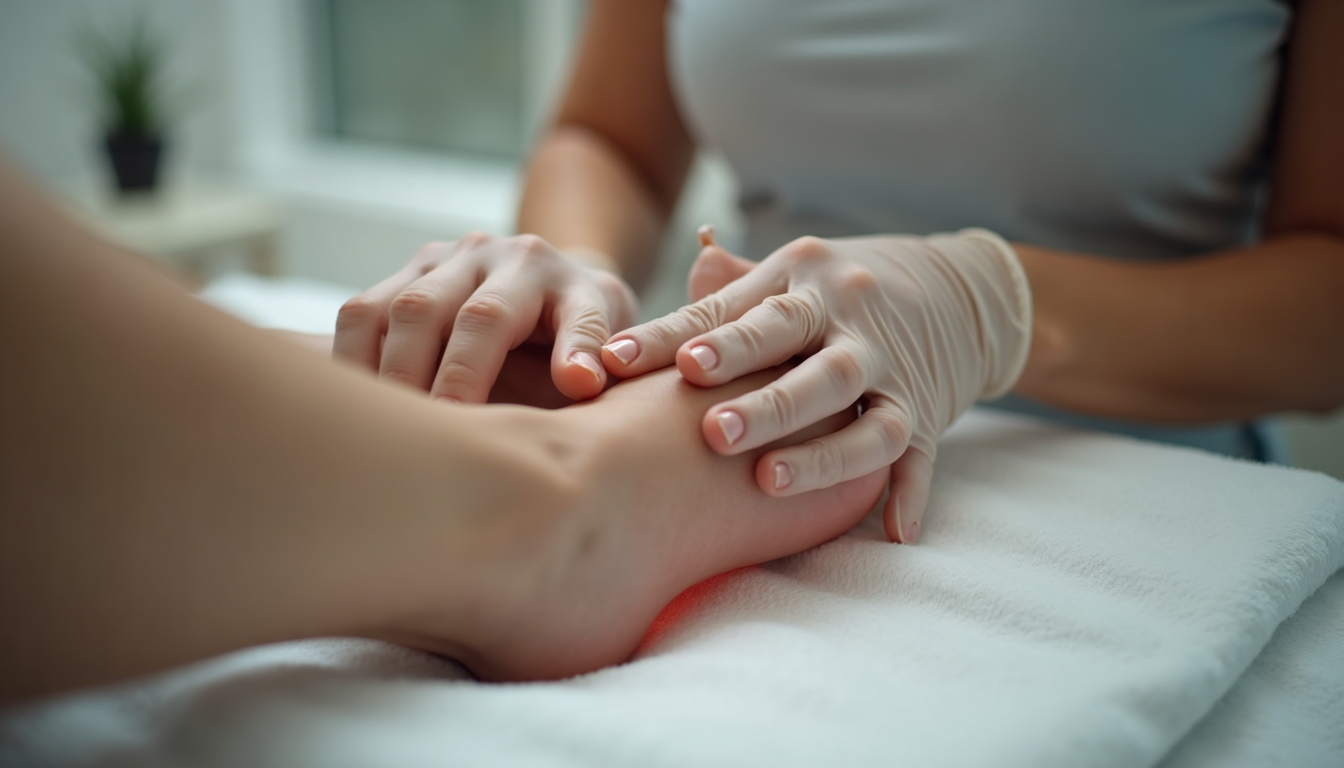
Regular foot check-ups are essential, especially for individuals with diabetes or other health conditions that affect foot health. A podiatrist can help identify potential issues early and provide appropriate treatment.
Signs You Should See a Podiatrist
Persistent foot pain
Changes in skin color or temperature
Swelling or inflammation
Fungal infections that do not improve
Conclusion
Taking care of your feet is essential for overall health and well-being. By following these preventive foot care tips, you can maintain healthy feet and avoid common problems. Remember to establish a daily foot care routine, choose the right footwear, and incorporate exercises to strengthen your feet. Regular check-ups with a podiatrist can also help catch any issues early.
Your feet carry you through life, so give them the attention they deserve. Start implementing these tips today for a healthier tomorrow!

Comments